
Ocean Nomads of the Baja Coastline
Measuring around 60 to 70 cm and weighing up to 45 kg, the olive ridley (*Lepidochelys olivacea*) is one of the smallest sea turtle species in the world, distinguished by its heart-shaped, olive-green carapace.
Adults spend most of their lives in pelagic open ocean waters foraging for crabs, jellyfish, tunicates, and small fish, traveling across vast oceanic currents between feeding grounds and ancestral natal beaches.
The Miracle of the «Arribada» and Nesting Cycles
Between July and November, thousands of female turtles return with astonishing geomagnetic precision to the exact coastlines where they hatched decades earlier.
Under the cover of night, females crawl past the surf line, dig a 50-centimeter flask-shaped nest in the sand, and lay an average of 100 soft-shelled eggs before carefully camouflaging the nest and returning to the sea.
Los Cabos Community Hatchery Camps
Due to threats from beach traffic, temperature spikes, and domestic predators, local conservation groups and resorts operate certified incubation nurseries along the East Cape, San José del Cabo, and Cabo San Lucas.
Volunteer biologists relocate threatened clutches into protected corrals. After a 45-day incubation period, thousands of hatchlings are released at sunset, directly involving locals and tourists in environmental stewardship.
Galería de Olive Ridley Sea Turtle en Los Cabos y BCS
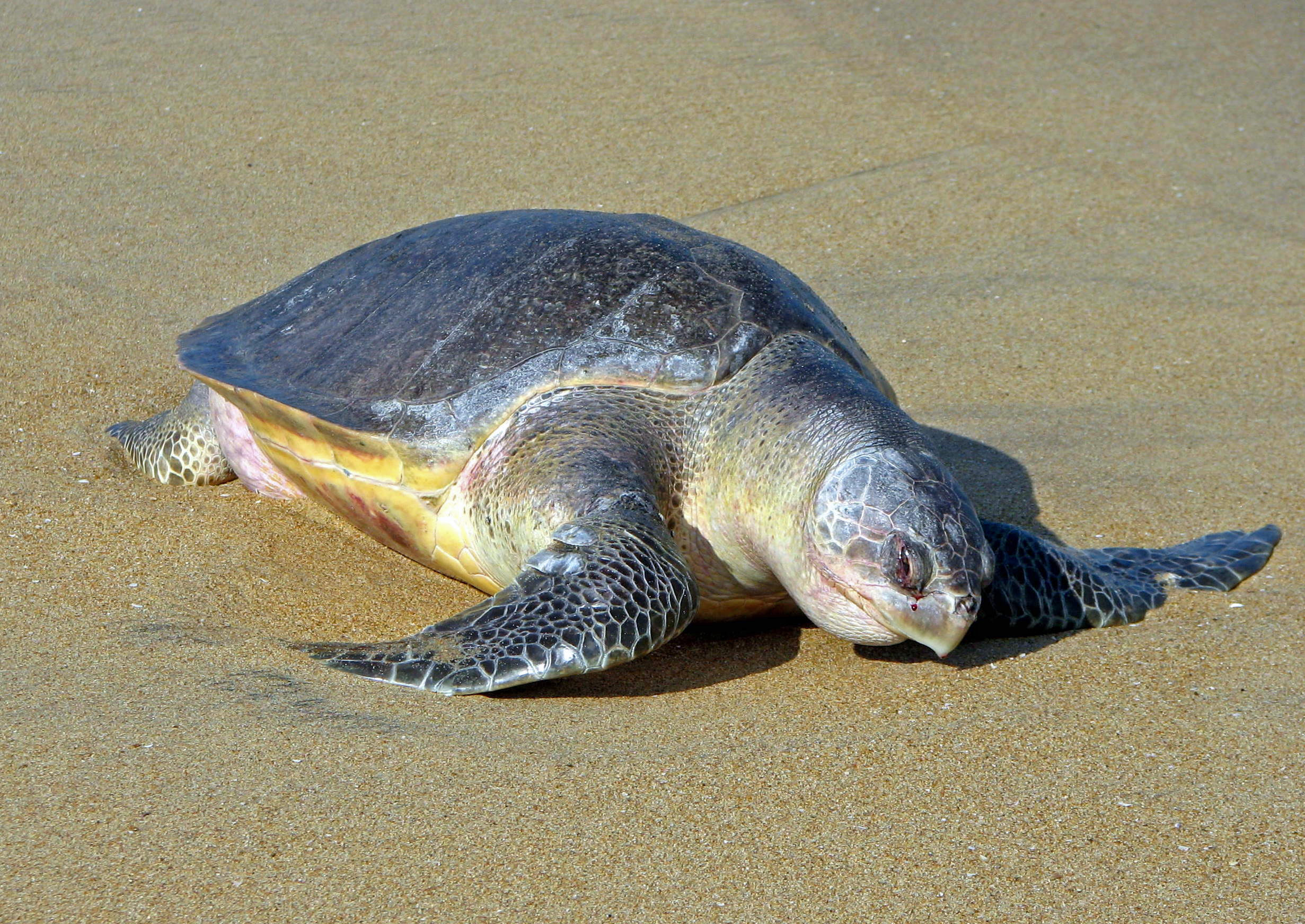 Anidación Costera
Hembra adulta en playa de desove protegida por brigadas de voluntarios
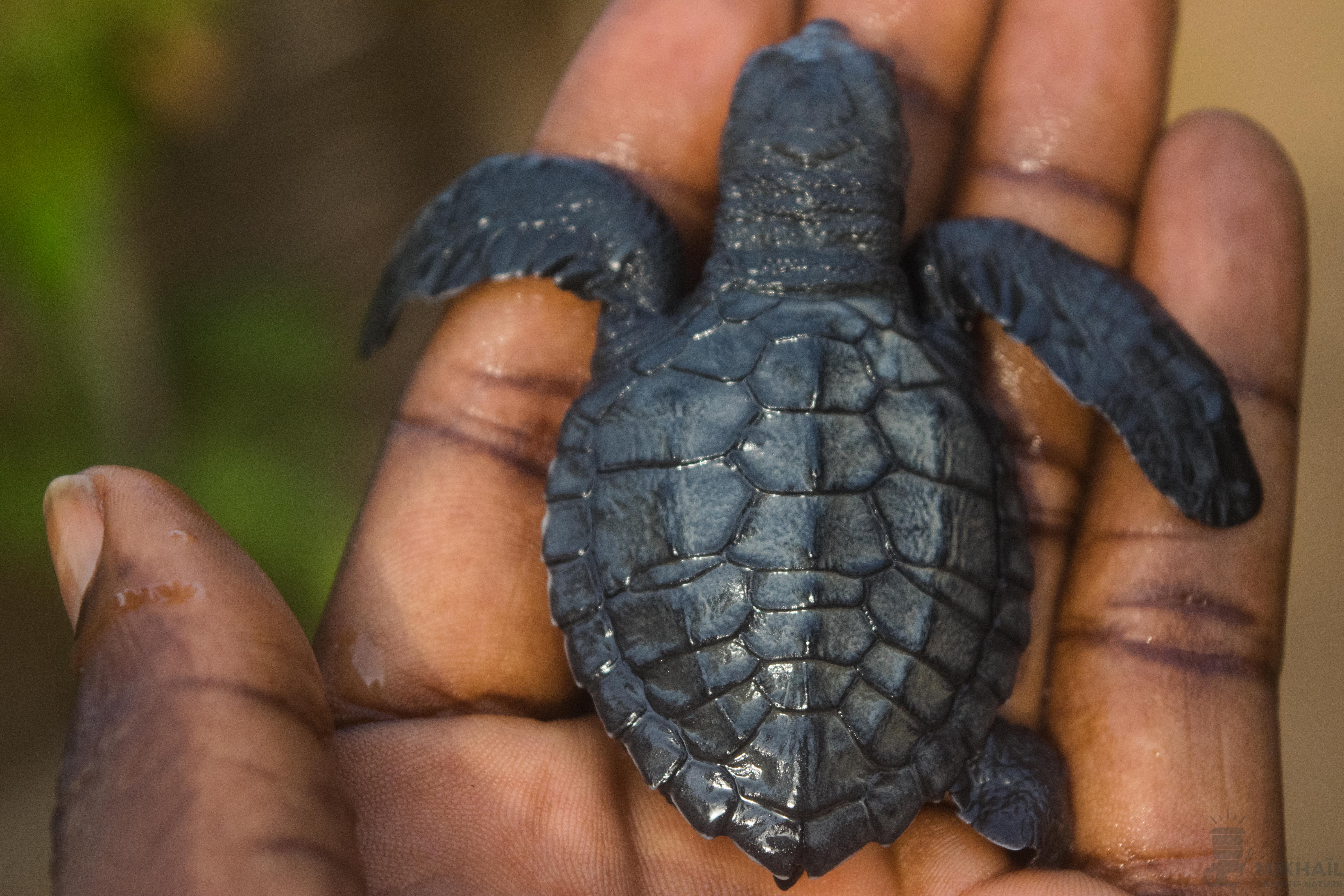 Conservación
Cría de tortuga golfina lista para su liberación hacia las olas del Pacífico
Fuentes Oficiales y Bibliografía Verificada
- Red Municipal para la Protección de la Tortuga Marina Los Cabos
- ASUPMATOMA A.C. — Protección del Medio Ambiente
- Comisión Nacional de Áreas Naturales Protegidas (CONANP)
Ficha biológica verificada para la Enciclopedia de Baja California Sur. Si eres biólogo o prestador certificado y deseas aportar observaciones de campo, contacta a nuestro equipo científico.